
Loading…
18 June 2026
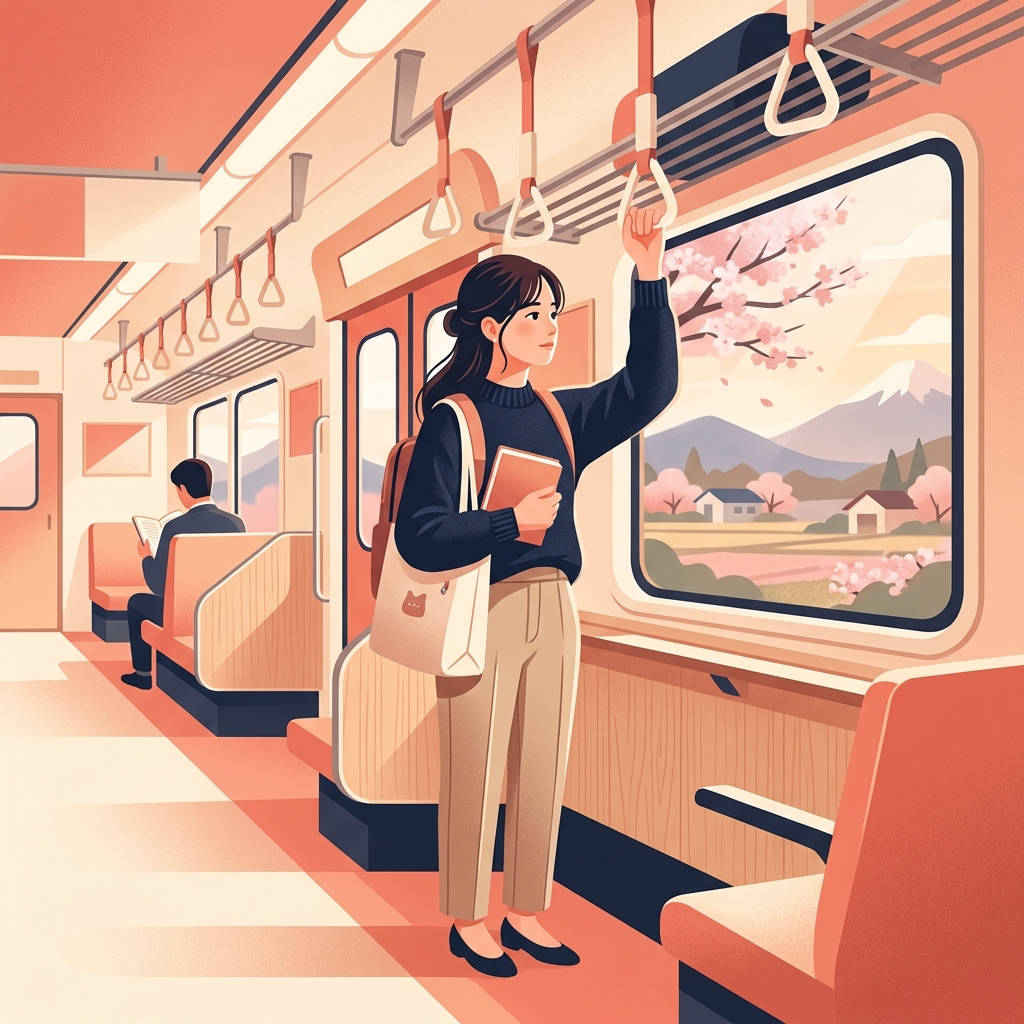
Living in Japan as an international student or foreign resident is an exciting journey, but it also comes with a unique set of cultural expectations. While Japanese people are generally very forgiving of foreigners who make mistakes, showing that you understand and respect their unwritten social rules goes a long way in building good relationships and integrating smoothly. From quiet train rides to escalator etiquette, here are seven unwritten social rules you should master to make your life in Japan comfortable and stress-free.
In Japan, trains are considered shared public sanctuaries. As soon as you step onto a train or platform, you are expected to switch your phone to "Manner Mode" (silent) and avoid talking on the phone. Talking with companions is fine, but you should keep your voice low. Additionally, it is common courtesy to place your backpack on your lap or on the overhead rack if the train is crowded to avoid bumping into other passengers.
When riding an escalator in Japan, there is a clear unwritten rule about where to stand to allow busy commuters to walk past. In **Tokyo and the Kanto region**, you should stand on the **left** and leave the right side open. In **Osaka and the Kansai region**, the rule is reversed: you stand on the **right** and walk on the left. Pay attention to the people in front of you and simply follow their lead.
Walking while eating or drinking (*tabearuki*) is generally frowned upon in Japan. It is considered messy and raises the risk of dropping food or spilling drinks on others. If you buy a snack at a convenience store (*konbini*) or a drink from a vending machine, the polite thing to do is consume it right next to the store or machine where trash cans are available, then throw your waste away before moving on.
Tipping is not part of Japanese culture. In restaurants, taxis, or hotels, trying to leave a tip can lead to confusion, as staff will often chase you down the street to return the money you "forgot." Excellent service is considered a standard and is already included in the price. Instead, showing appreciation with a polite *Gochisousama deshita* (thank you for the meal) is the best way to say thank you.
Whether you are exchanging business cards (*meishi*) or simply handing your residence card, passport, or credit card to a cashier, always use **both hands**. Using both hands shows that you value the transaction and respect the recipient. When receiving a card or change, accept it with both hands and give a small bow of acknowledgement.
Most standard wooden or steel-frame apartments in Japan have very thin walls. Noise travels easily, and neighbors value their quiet. A major unwritten rule is to avoid running washing machines, vacuuming, or speaking loudly on the balcony after **9:00 PM**. If you are looking to rent a place and want to find quiet residential areas, you can explore regional layouts using our Neighborhood Map.
You will quickly notice that public trash cans are extremely rare in Japan. This is a safety measure and encourages citizens to take responsibility for their own waste. Always carry a small plastic bag in your pocket or backpack to store your trash during the day. When you return home, you can sort it according to your local ward office guidelines.